Kristine McCorkell, Curator, Indigenous Art, Canadian Museum of History
1. What inspired you to pursue a career as a curator?
At 18, my journey into the museum and gallery world began as a junior curator during Sakahàn: International Indigenous Art, the National Gallery of Canada’s exhibition, in 2013. Initially, I had no intention of becoming a curator and later took a role as interpreter/guide at the Gallery in 2017 while pursuing my studies at Carleton University. It was in this role that I began working with curators and witnessing the impact of exhibition-making and the voices they amplify. I no longer just wanted to guide people through exhibition spaces, I wanted a say in creating them.
2. Can you describe what your role as Curator of Indigenous Art entails?
My role here at the Canadian Museum of History is, first and foremost, to steward the Indigenous Art collection. That means ensuring that each work is cared for, interpreted, and exhibited with respect, reciprocity, and cultural integrity. It means engaging with artists and communities directly while ensuring the collection remains accessible for learning, research, and meaningful exchange with Indigenous artists and communities.
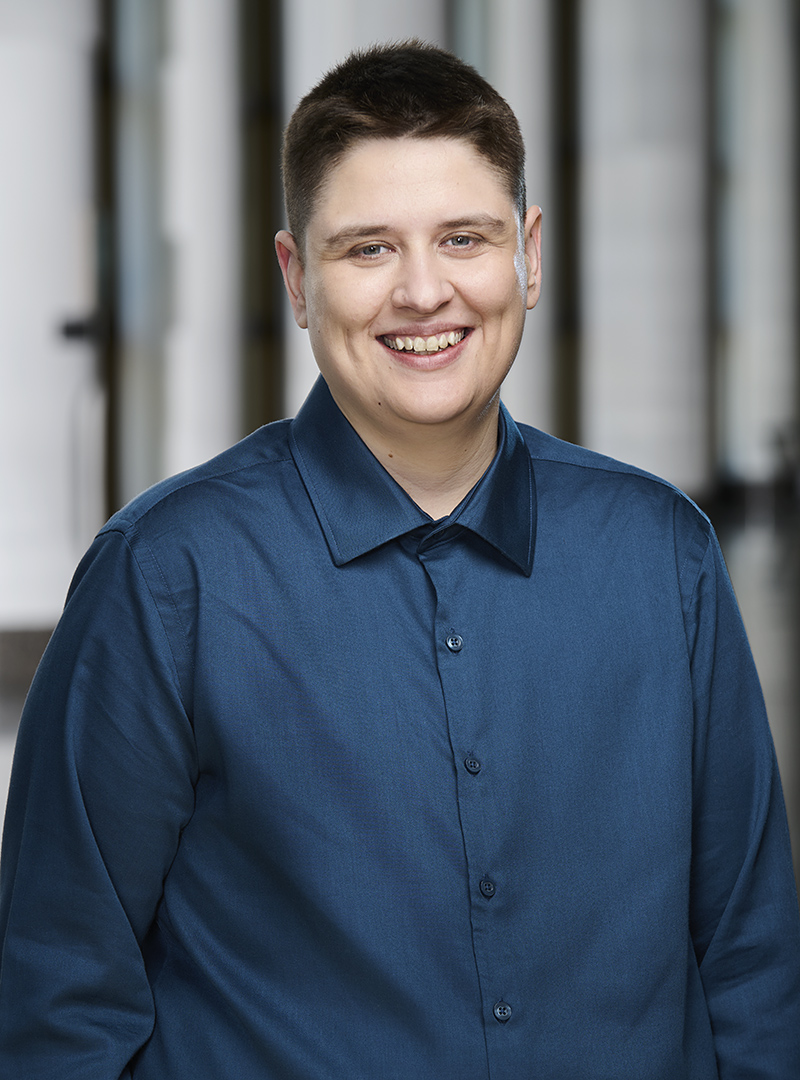
Kristine McCorkell
CMH2025-0050-0007-Dm
3. In your view, why is this role essential to the Museum’s mission and to its engagement with Indigenous histories, cultures and communities?
For decades, Indigenous art wasn’t viewed as “art.” Rather, it was reduced to craft or ethnology, rarely making it into high art gallery exhibitions. But Indigenous art is more than craft. Beyond aesthetic expression, it serves as a vehicle for knowledge, memory, and Indigenous ways of being. Much like the Museum’s mission, Indigenous art preserves knowledge, stories and worldviews, while fostering dialogue and new understandings.
4. You are currently leading the exhibition Pizandawatc / The One Who Listens. Can you tell us about the exhibition and what you hope visitors will learn or experience?
Pizandawatc is a solo exhibition of works by Anishinaabe/French artist Caroline Monnet that will be on display at the Museum from March 20 to September 8, 2026. It is a range of mixed media works, videos, and sculptural installations that explore the relationship between the Anishinaabemowin language, the land, and its resources. My hope is for visitors to reflect on the land beneath their feet and consider how its dramatic transformation has impacted Indigenous languages.
5. More broadly, what impact do you hope your work has on audiences and communities across Canada?
I hope my work encourages audiences across Canada to reflect on and confront our country’s histories through art. I aim to challenge the status quo and create spaces of reflection, understanding and change. My goal is to use Indigenous art to honour and celebrate Indigenous stories, knowledge, and lived experiences that colonization attempted to silence.
To learn more about how you can support the Museum’s reconciliation initiatives, please contact Linda Kincaid at linda.kincaid@historymuseum.ca. We welcome the opportunity to continue this important work together.