Caroline Dromaguet, President and CEO of the Canadian Museum of History and the Canadian War Museum
The past several months have marked an extraordinary period for the Museum. As we move into a new season — and continue our work during the International Decade of Indigenous Languages — I find myself reflecting on a time defined by meaningful partnership, national dialogue, and historic milestones of lasting significance.
In December, one such milestone occurred when 62 Indigenous cultural belongings — including a century-old Inuvialuit kayak — were formally returned to Canada from the Vatican’s Anima Mundi collection. Representing Inuit, Métis, and First Nations communities, these belongings have since arrived at the Canadian Museum of History, where we are honoured to provide safe and respectful care. In the months ahead, Indigenous Elders and knowledge holders will lead the careful work of examining them to better understand their origins and determine their rightful homes. This work is guided by community, by language, and by oral history — and we are committed to safeguarding the belongings for as long as needed in support of this process.
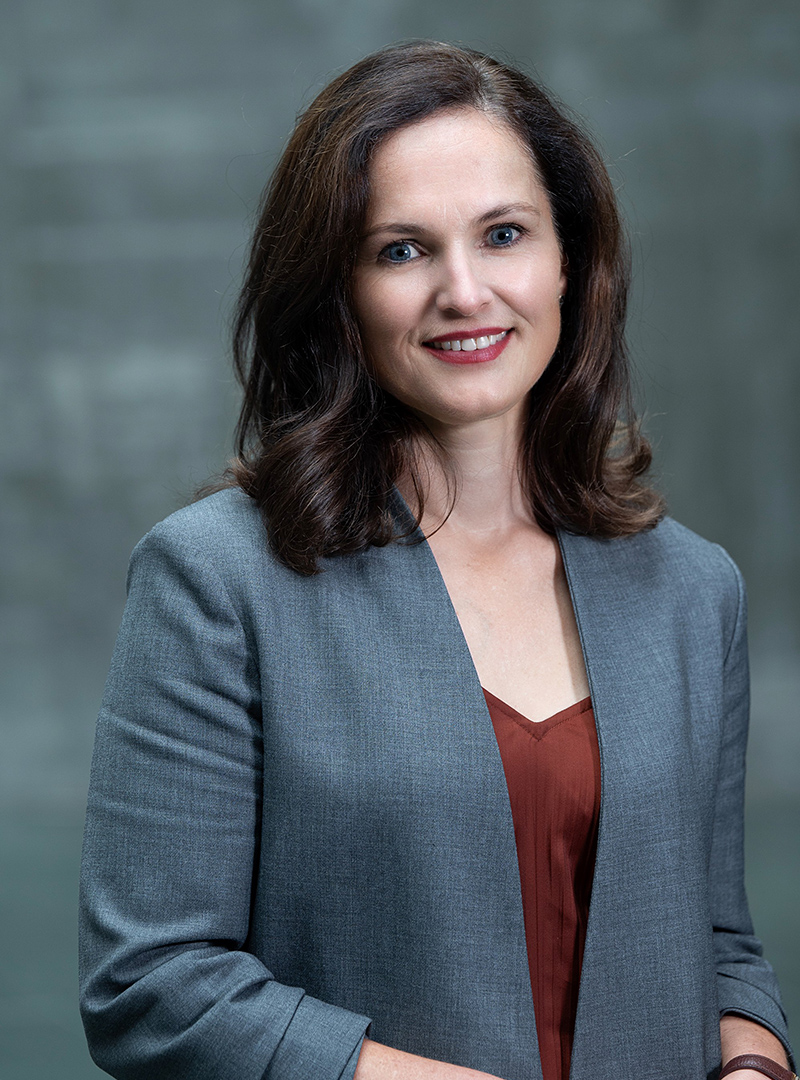
Caroline Dromaguet
That same spirit of partnership continues across the Museum. In May, we will mark the 33rd year of the Indigenous Internship Program — the first and most comprehensive museum training program of its kind in Canada for First Nations, Métis, and Inuit participants. For more than three decades, the program has strengthened professional capacity in the museum field while fostering enduring relationships grounded in respect, learning, and reconciliation. We are deeply grateful to the donors who help sustain this vital work, and we extend particular thanks to RBC for its ongoing generous support since 2015.
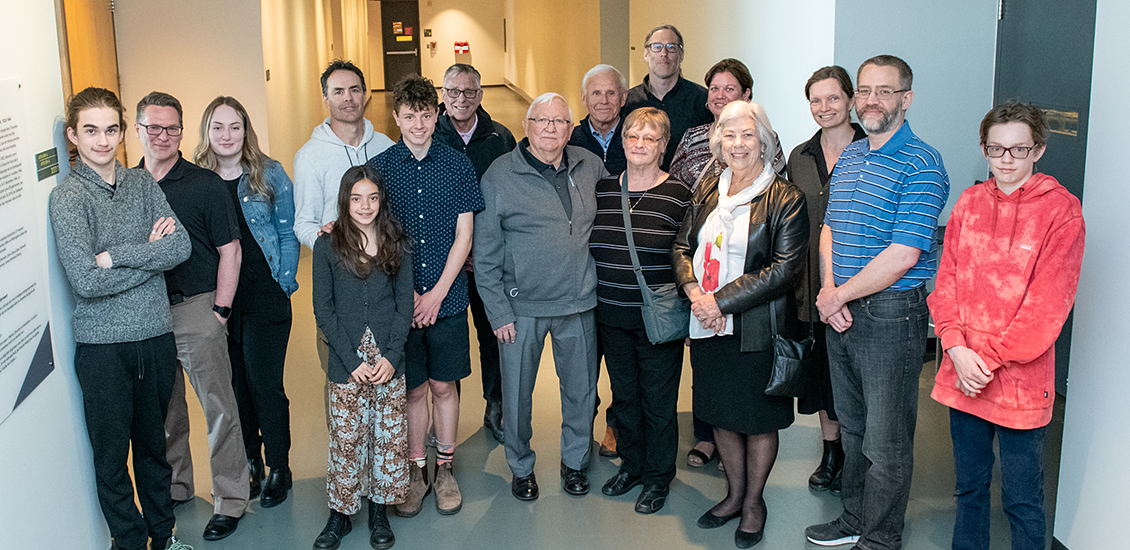
Our exhibitions further reflect this commitment. Two temporary exhibitions centred on Indigenous voices are currently on view. Wi’k+palu’k Sam Glodeo’q ta’n wetapeksitaq: Honouring the Belonging of Sam Glode, co-created with the Purdy Family — descendants of Sam Glode — and the Mi’kmawey Debert Cultural Centre, honours Indigenous knowledge and leadership while modelling reconciliation through collaboration. Pizandawatc / The One Who Listens, organized by the Art Museum of the University of Toronto, brings together a selection of works by renowned Anishinaabe French artist Caroline Monnet, which explore the relationship between Anishnaabemowin, the land, and its resources — reminding us that language carries worldview, memory, and responsibility.
None of this work is undertaken alone. To our donors across Canada: thank you. Your support makes it possible for the Museum not only to care for the past, but to contribute meaningfully to a shared future grounded in respect, understanding, and reconciliation.