
This classroom resource introduces students to perspectives connected to the American Civil War and its influence on Canadian society.
Through object inquiry, historical analysis, and creative interpretation, students explore how individuals and communities experienced and responded to the conflict.
The activities encourage students to examine historical sources, reflect on representation within historical narratives, and consider how museums interpret and present complex histories.
These activities were developed in connection with the Close to Conflict – Canada and the American Civil War exhibition at the Canadian War Museum, but they can also be used independently.
Learning goals
Through these activities, students will:
- Analyze primary and secondary historical sources
- Explore multiple perspectives connected to the Civil War era
- Consider how historical narratives are constructed and interpreted
- Reflect on whose voices are represented within the historical record
- Develop skills in historical thinking and creative interpretation
Curriculum connections
This resource supports learning goals commonly found across Canadian Social Studies, History, Arts and Humanities curricula.
Students engage with key historical thinking concepts including:
- Historical Significance
- Evidence and Interpretation
- Cause and Consequence
- Diverse Historical Perspectives
- Continuity and Change
The activities also support interdisciplinary learning through arts-based interpretation, encouraging students to communicate historical understanding through visual, dramatic, and multimedia forms.
Key terms and concepts to explore before both activites
Curator: A person who selects objects and ideas for an exhibition and decides how they are presented. Curators shape the story visitors experience by choosing what to include and how to explain it.
Exhibition: An organized display of objects, images, and information that explores a topic or tells a story. Exhibitions are designed to guide how visitors understand history
Interpretation (in a museum context): The process of creating meaning from objects and sharing it with an audience. Museums do not just display items; they interpret them to communicate ideas about the past.
Representation: How people, groups, or events are shown in history. This includes both what is included and what may be missing or overlooked.
Historical narrative: A story about the past created by selecting and organizing evidence. Different choices can lead to different narratives about the same events.
Primary source: An original object or document created during the time being studied. In museums, this can include letters, newspapers, photographs, or artifacts that provide direct evidence about the past.
Activity 1 – Object inquiry
Mary Ann Shadd and the freedom seekers: rediscovering erased voices
Estimated Time: 20–30 minutes (times are approximate; adjust based on student engagement)
This introductory object inquiry invites students to explore the work and legacy of Mary Ann Shadd, a Black Canadian journalist, educator, and activist.
Through the examination of a historical source connected to Shadd’s work and a contemporary artistic portrait representing Samuel J. Robinson, another Black voice from the Civil War era, students consider themes of:
- activism
- representation
- archival visibility
The activity highlights how individuals across North America advocated for freedom and equality during the Civil War era, while encouraging students to reflect on how some stories have been preserved within historical records while others remain less visible.
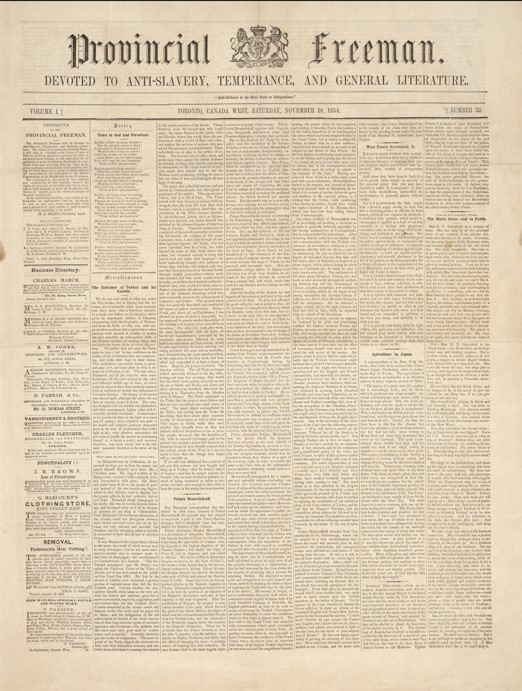
Primary historical object
Provincial Freeman – Front page
Edited by Mary Ann Shadd, the Provincial Freeman is widely recognized as the newspaper of the first Black female newspaper editor in North America.
Students may consider:
- journalism as a form of political activism
- how newspapers shaped public debate
- how Black leaders communicated ideas about freedom, migration, and equality
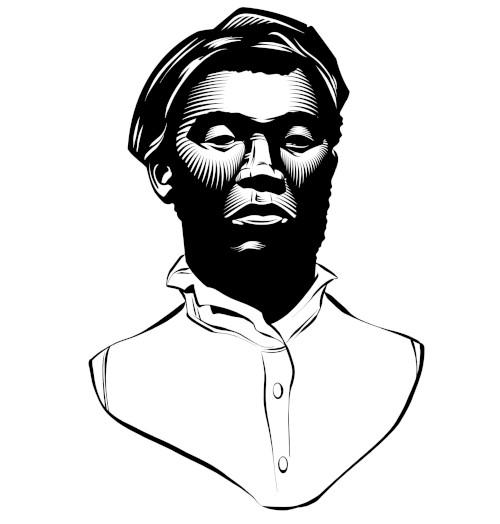
Supporting artwork
Imagined Portrait of Samuel J. Robinson by Kwame Delfish
This contemporary portrait represents Regimental Sergeant Major Samuel J. Robinson, a Black soldier who publicly challenged discrimination within the Union Army. Despite rising from private to sergeant major–an extraordinary and rare achievement for a Black soldier, Robinson was denied further promotion due to racial barriers, prompting his public criticism.
In 1864, Robinson wrote to abolitionist newspaper The Liberator (published by William Lloyd Garrison) criticizing the War Department’s refusal to promote Black soldiers to officer positions.
Excerpt from Robinson’s letter:
“We, as a race, have been trodden down long enough… If we have men in our regiments who are capable of being officers, why not let them be promoted the same as other soldiers?”
Delfish’s imagined portrait reflects how contemporary artists sometimes create interpretive portraits to represent individuals whose contributions were historically significant but whose likenesses were not widely preserved within archival records
Activity process
- Present students with the historical object connected to Mary Ann Shadd.
- Invite students to closely observe the object and consider what it reveals about Shadd’s work and influence.
- Introduce the imagined portrait of Samuel J. Robinson.
- Explain that relatively few images of many Black individuals from this period were preserved. Contemporary artists sometimes create interpretive portraits to represent individuals whose stories remain historically significant despite limited visual documentation.
- Students work individually or in pairs to examine both sources and respond to the guiding questions.
Guiding questions
- What details do you notice in the Provincial Freeman? What might it reveal about Mary Ann Shadd and her work?
- Why might Mary Ann Shadd’s journalism have been important for Black communities during this period?
- What message is Samuel J. Robinson expressing in the excerpt from his letter?
- Why might there be limited images or representations of people such as Mary Ann Shadd and Samuel J. Robinson in historical archives?
- What does Kwame Delfish’s portrait contribute to our understanding of this history?
- How does having one image (or many) change the way we understand a person’s story, and what does it mean for their legacy when we imagine or interpret their face?
Optional discussion transition into Activity 2
Museums make choices about which objects and stories to present.
Why might it be important to include voices such as Mary Ann Shadd and Samuel J. Robinson when exploring the history of the Civil War era?
This question introduces the next activity, where students take on the role of museum curators.
Activity 2 – Classroom exhibition
Building a classroom exhibition: Close to Conflict
Estimated time: 2–3 class periods (times are approximate; adjust based on student engagement)
In this activity students assume the role of museum curators, working with a curated selection of historical sources connected to the Civil War era and its impact on Canadian society.
Students collaboratively develop a small classroom exhibition that presents multiple perspectives from the period. The activity encourages students to consider:
- How are historical narratives constructed?
- Whose voices are represented, and why?
- What perspectives may be missing from the historical record, and why?
- How do curated objects and artistic interpretations work together to shape meaning or disrupt dominant historical narratives?
Teacher guide: thinking like curators
Begin by framing the activity for your students. Explain that in this project, they will take on the role of museum curators to explore how historical narratives are created. Emphasize that museums do more than display objects. They select, organize, and interpret artifacts, images, and documents to tell stories about the past. Some perspectives are highlighted while others may be less visible.
Invite students to reflect on their prior experiences with museums. Ask questions such as: Which exhibits or objects stood out to you? Why? What stories or perspectives were clear and which were harder to see? This helps students begin thinking critically about how museums shape understanding.
When introducing the archival artifacts for each student group, guide students to examine each object carefully and consider: What is this? What does it show? How can we make sense of it using historical thinking? Remind students that the decisions they make as curators, including what to include, how to interpret it, and how to display it, will shape the story their audience experiences just as curators do in real museums. Encourage them to make thoughtful choices and discuss their reasoning as a group.
Exhibition perspectives
Students work in five groups, each focusing on one historical perspective from the exhibition.
1. Mary Ann Shadd: Activism, Journalism, and Education
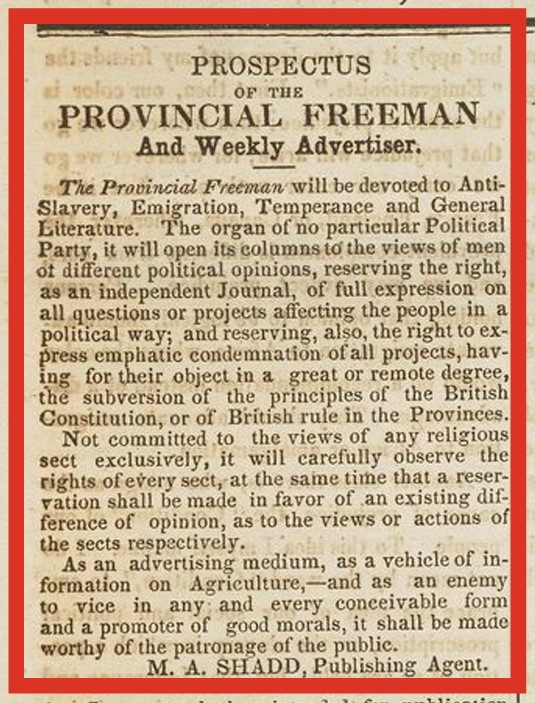
Archival document 1: Declaration on the politics of the Provincial Freeman (around 1856)
Archival document 2: The Provincial Freeman -– Front Page
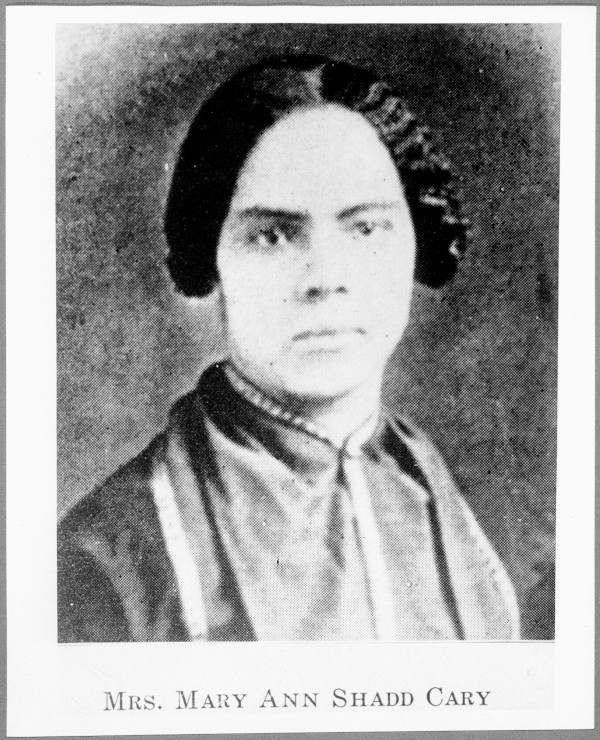
Historical photograph: Portrait of Mary Ann Shadd
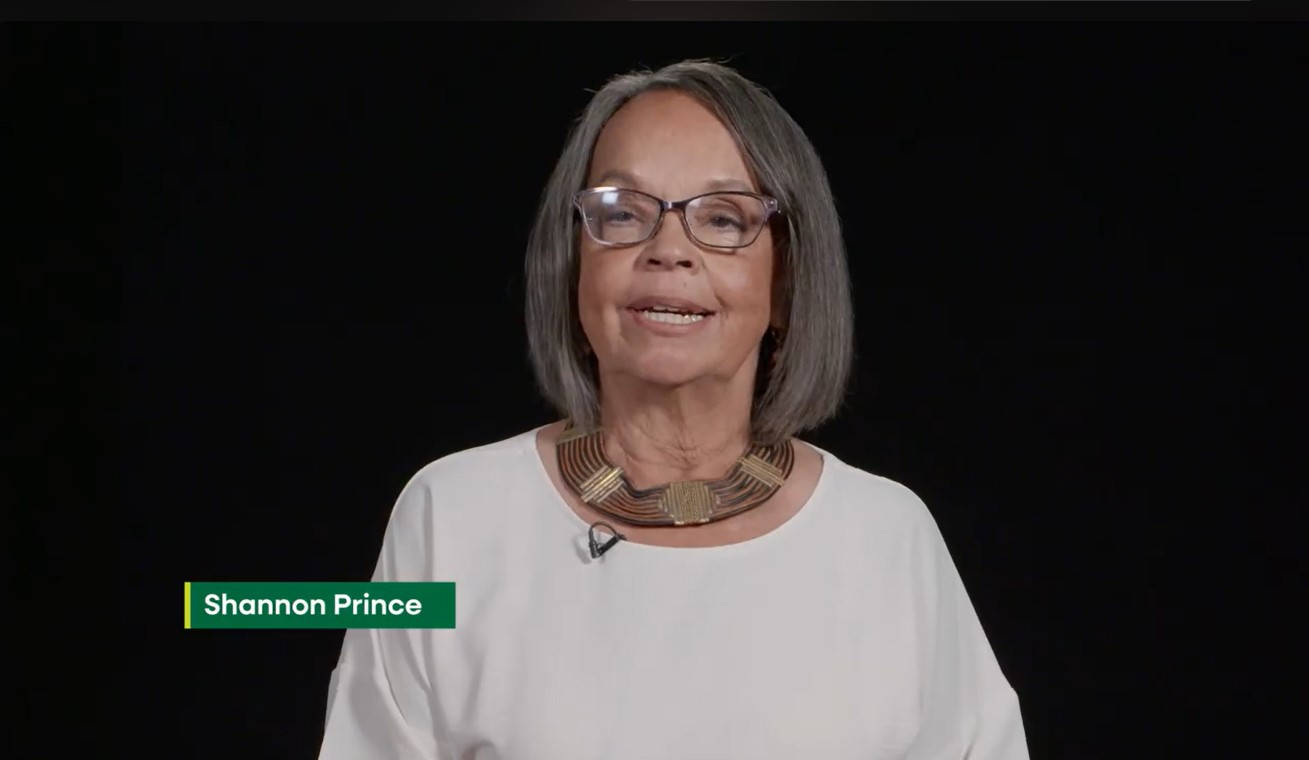
Video clip: Shannon Prince on Mary Ann Shadd
Portrait of Mary Ann Shadd
This is one of the only known images of Mary Ann Shadd, despite her significant contributions as a journalist, educator and activist. Its formal and reserved nature reflects the limitations of historical representation, prompting curatorial efforts to humanize her story, while also raising questions about how Black women have been documented, and often constrained, within the historical record.
2. Buxton Settlement: Black Community Building and Freedom in Canada
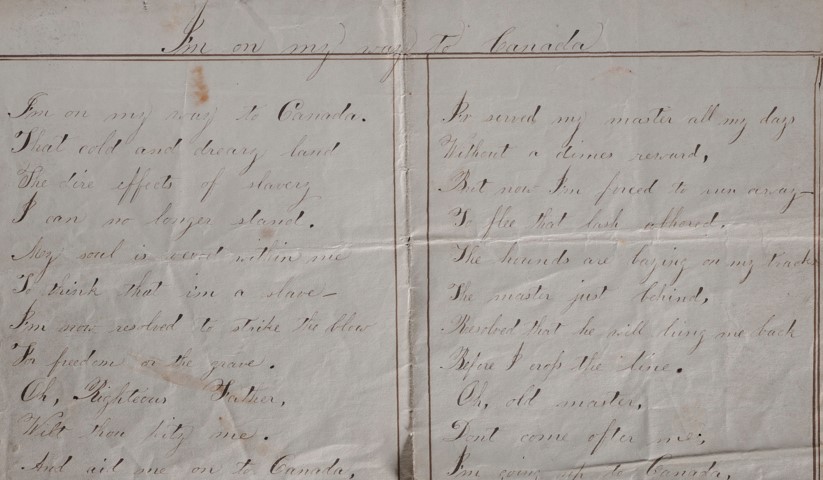
Archival source (song): “I’m on my way to Canada” – Joshua McCarter Simpson, 1852
Contemporary artwork: Imagined portraits by Kwame Delfish
Imagined portraits by Kwame Delfish
These contemporary portraits represent historically significant Black individuals whose likenesses were not preserved in archival records, reflecting gaps in historical documentation. Created as interpretive works, they acknowledge overlooked voices and encourage viewers to consider how absence in the archive shapes our understanding of the past.
Buxton was the largest of four Black communities founded in southwestern Ontario in the 1800s. These communities were among the last stops for formerly enslaved people travelling north on the Underground Railroad.
In these videos, descendants of the Buxton settlers read texts from the time of its founding.
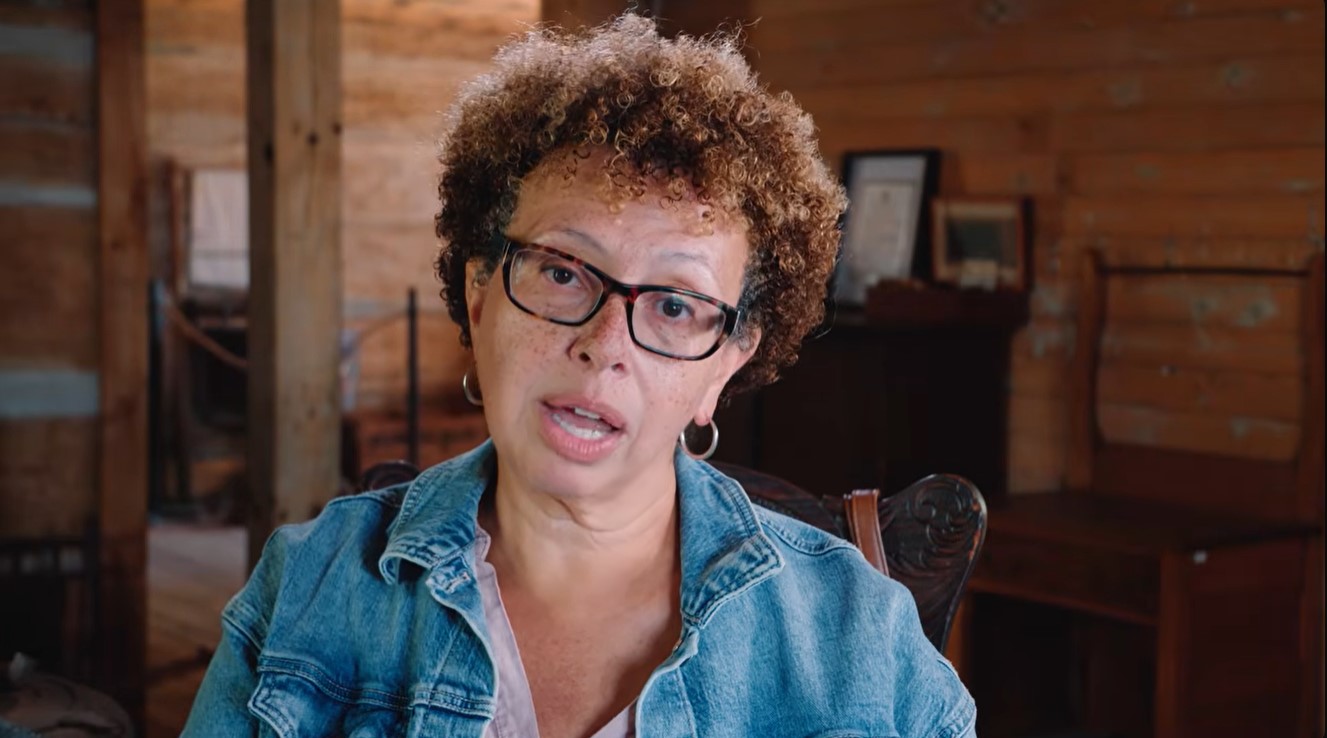
Mary Jane Robinson: Urges a friend to come to Buxton
Denise Highgate reads a letter from Mary Jane Robinson urging a friend to come to Buxton.
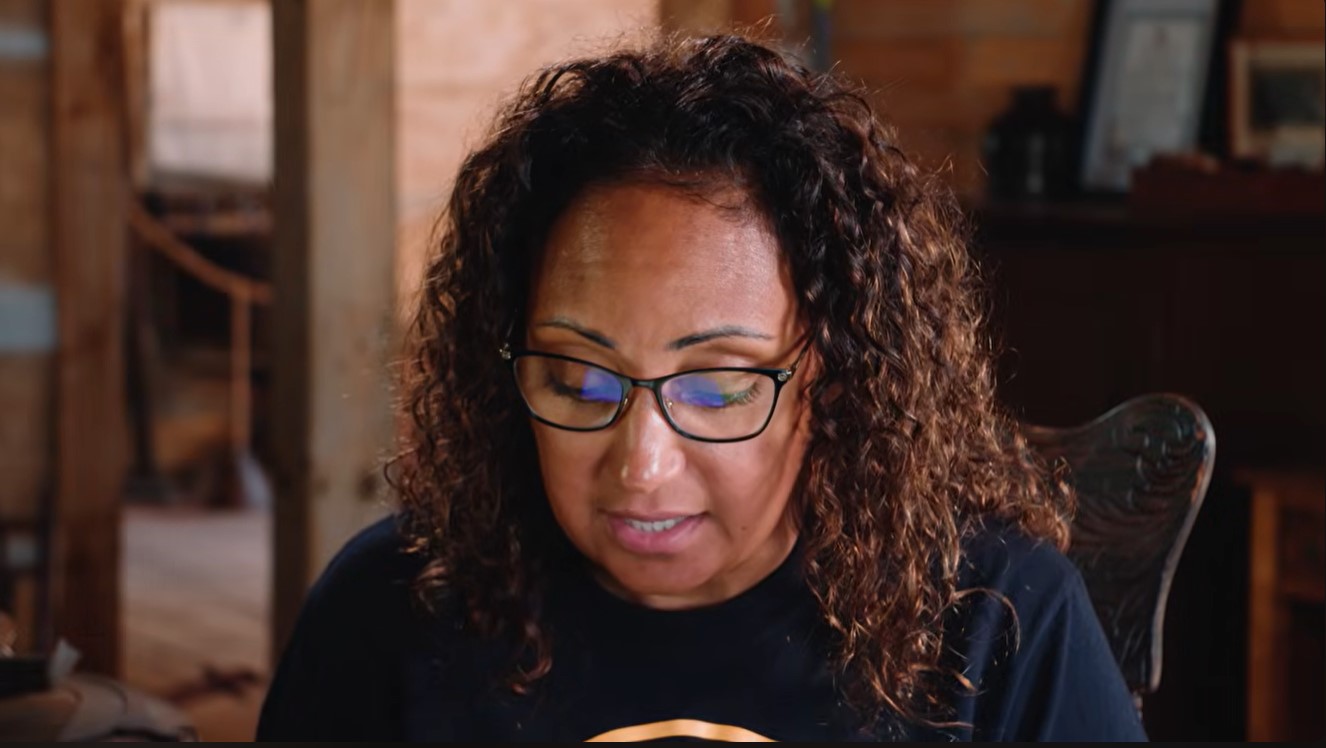
Harriet Tubman: Crossing to freedom
Heather Robbins reads a letter from Harriet Tubman about crossing to freedom in Canada.
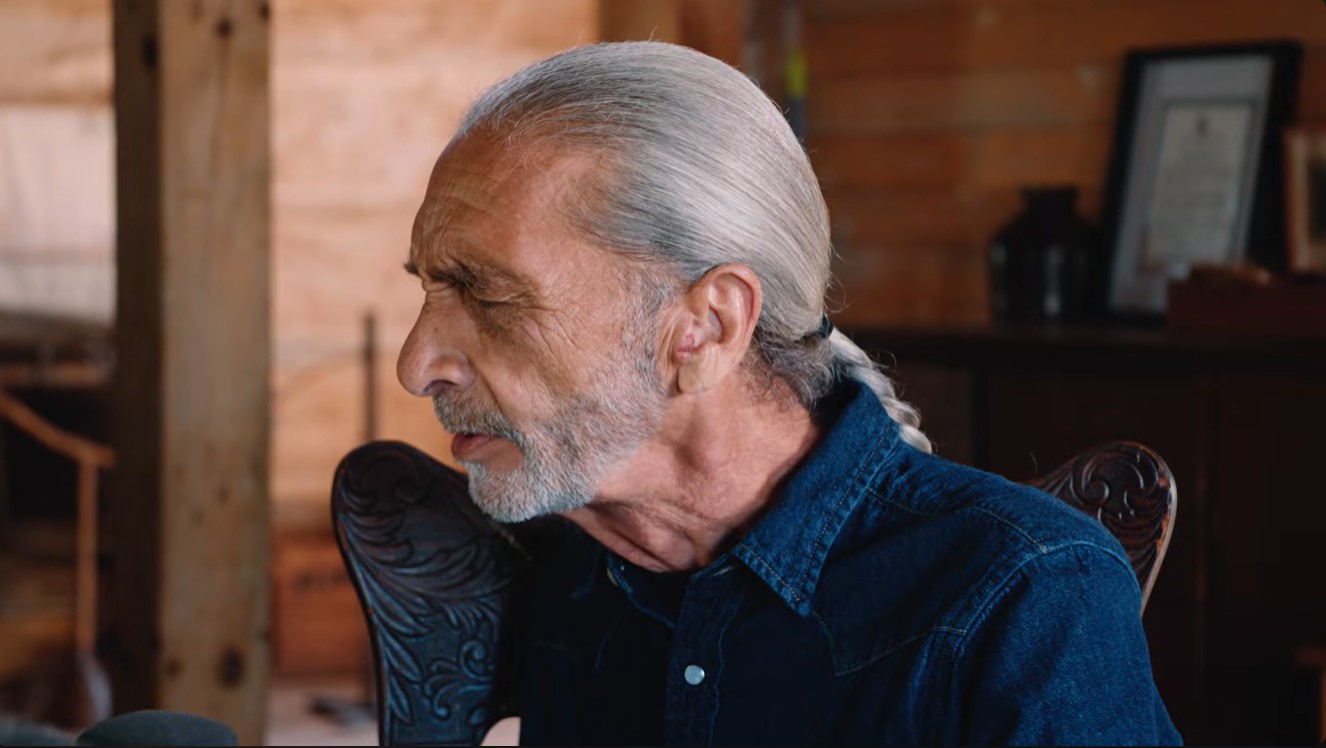
Harrison Webb: Escaping to Canada
Spenser Alexander reads an account by Harrison Webb about escaping to Canada.
3. Métis Perspectives: Nation-to-Nation Relationships and Treaty Promises
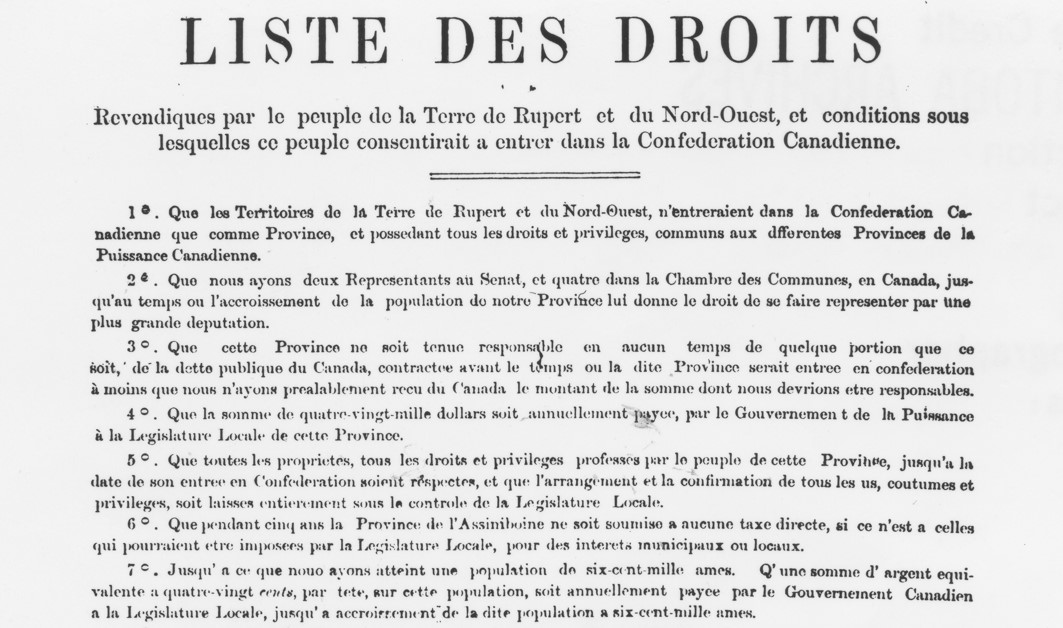
Archival document: Third Métis List of Rights, March 23, 1870
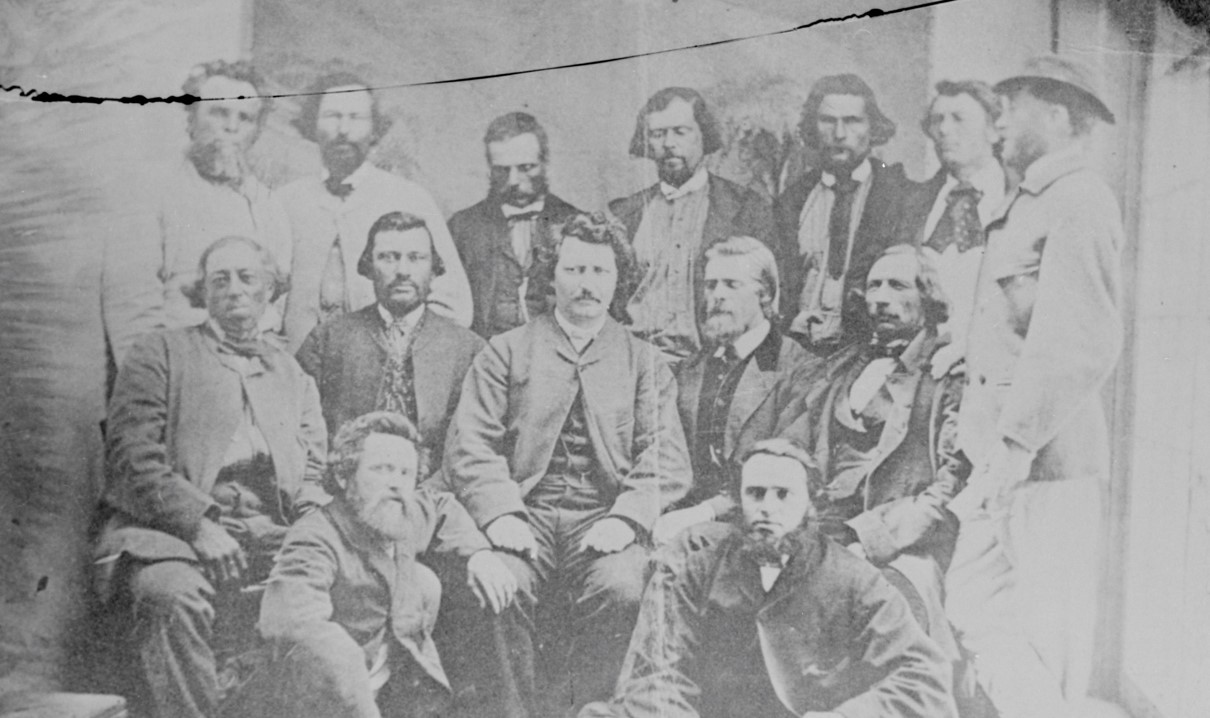
Historical photograph: The Provisional Government of Red River under the presidency of Louis Riel, 1870
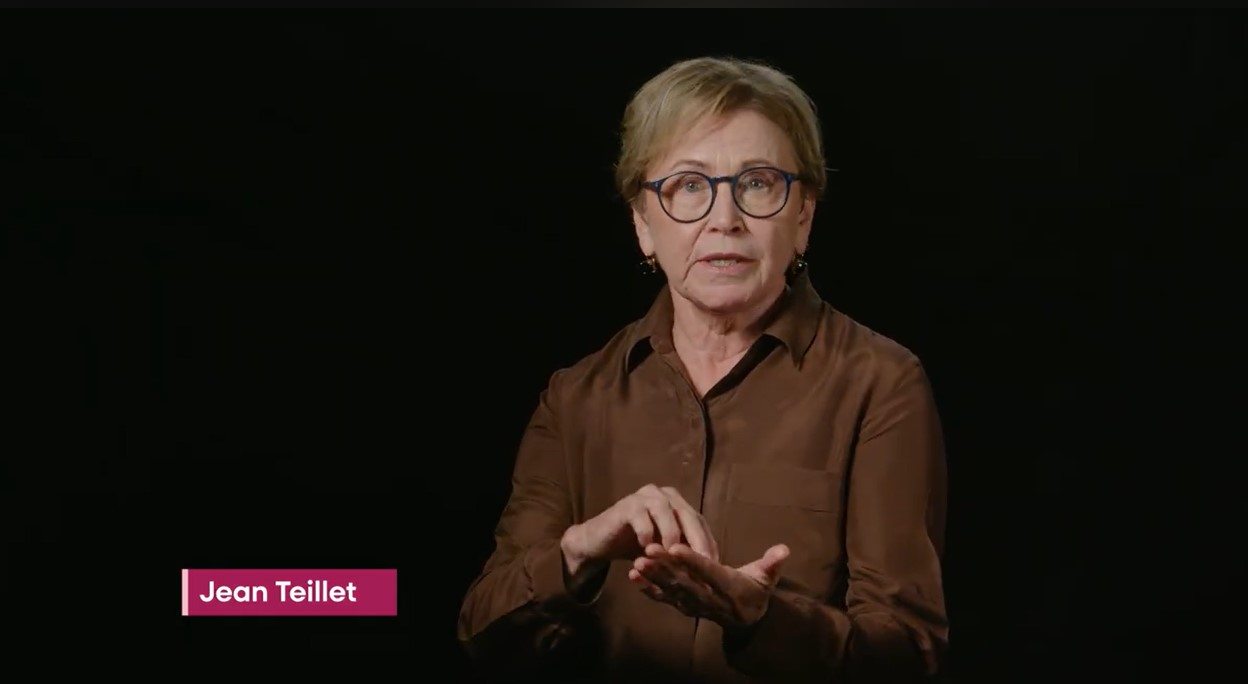
Video clip: Jean Teillet — Métis perspectives
4. Plains First Nations Perspective: Land, Sovereignty and Agency
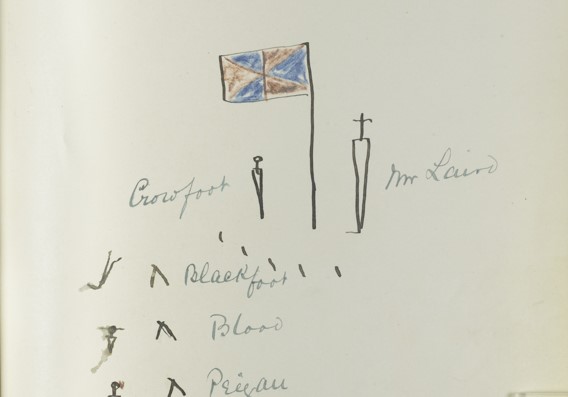
Archival source: Bull Plume’s Winter Count, page 59. Record of the negotiation of Treaty 7.
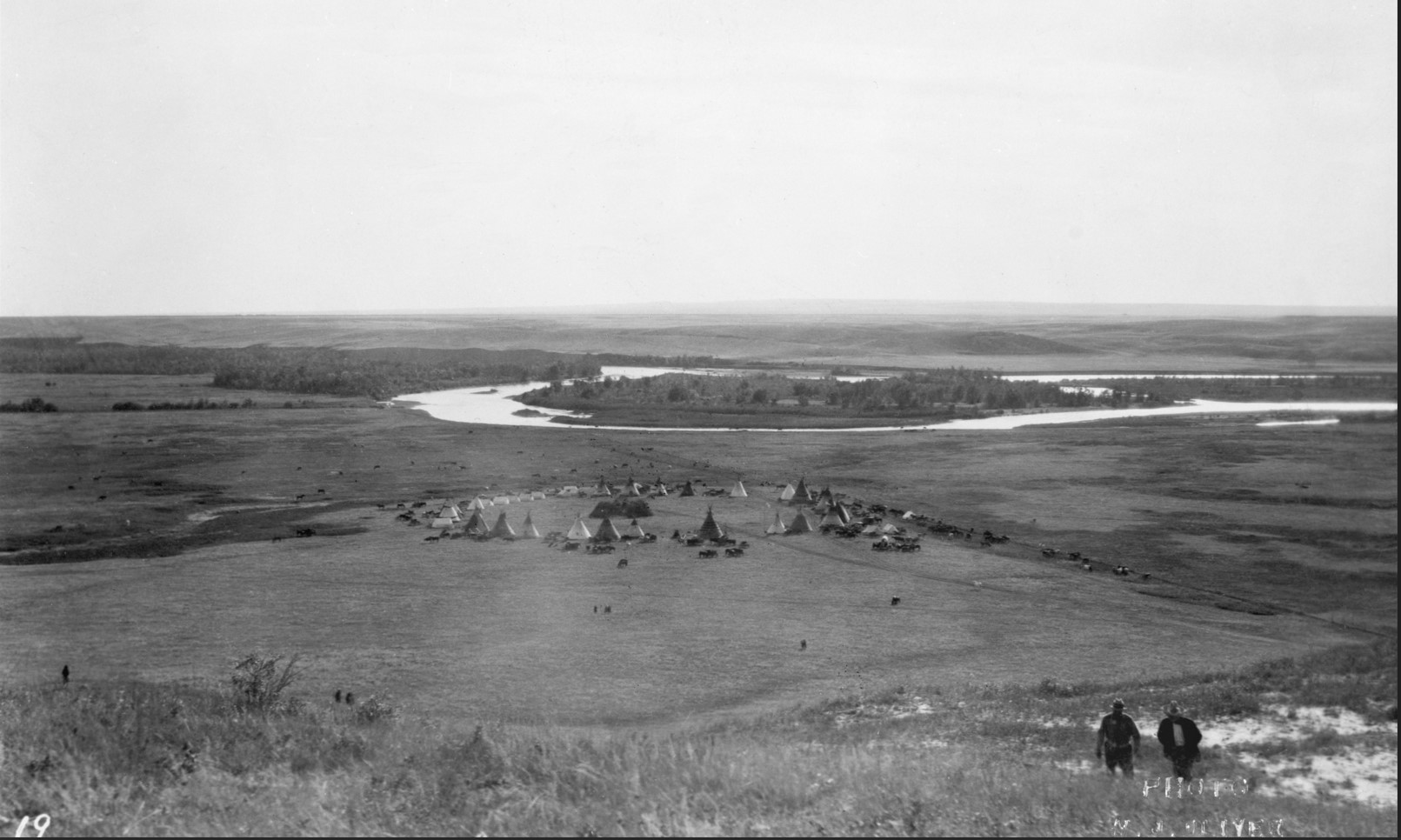
Historical photograph: Blackfoot camp at Blackfoot Crossing, Alberta
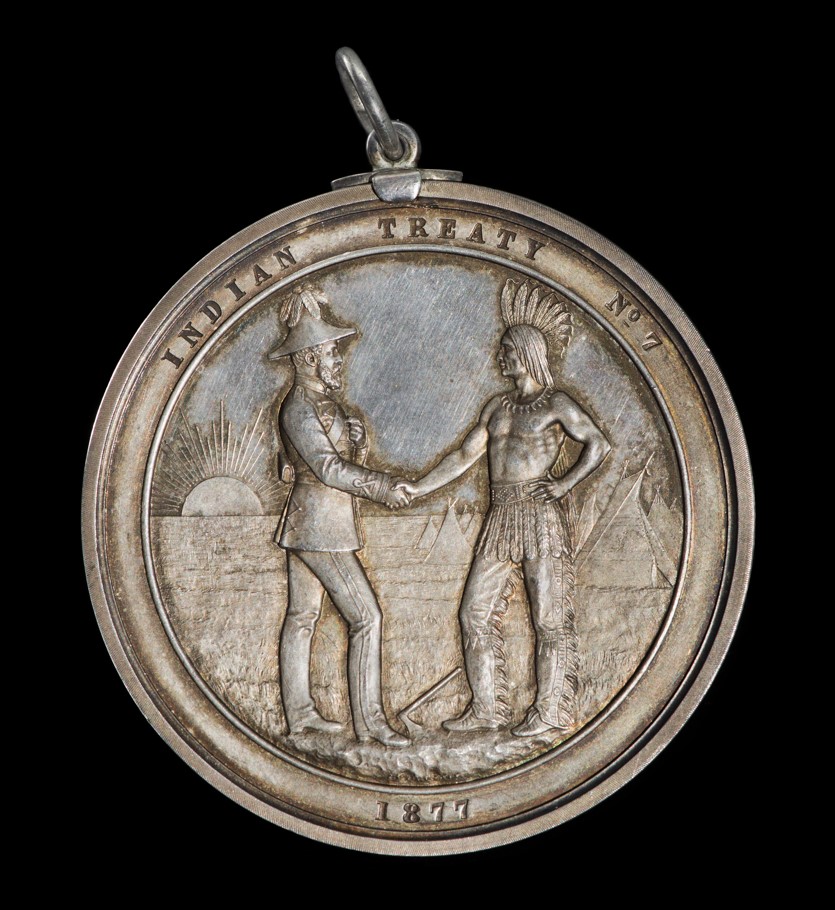
Additional object: Treaty Medal
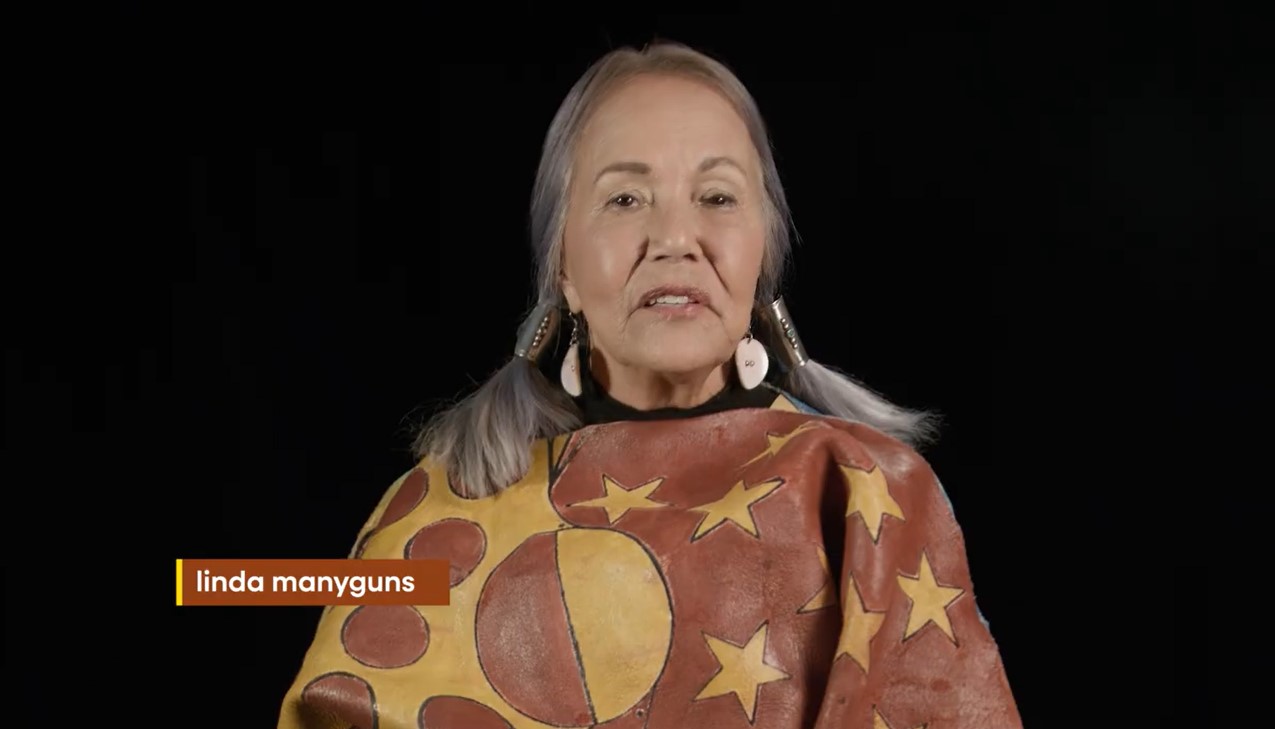
Video clip: linda manyguns — Plains perspective
Treaty Medal
This medal is one of several that the Canadian government commissioned in 1873. The inscription on the reverse reads “INDIAN TREATY N°. _ / 187_,” with two blank spaces so that the treaty number and year could be stamped at the time of presentation to an Indigenous chief or headman.
Between 1870 and 1877, Plains First Nations negotiated seven treaties with the Canadian government. First Nations understood treaties as alliances of peace, friendship and mutual support. The Canadian government understood treaties as a means of acquiring land for a transcontinental railway, settlement, agriculture, and resource extraction.
In exchange for these traditional territories, government representatives made promises to First Nations that were recorded in both the written and oral versions of treaties. These included rights to reserve lands and cash payments, as well as to equipment for hunting, fishing and farming. Many of these promises were ignored, broken or forgotten over the ensuing years. To this day, Indigenous communities are fighting to have their treaty rights honoured, and the treaty relationship restored.
Additional quotation by linda manyguns:
“I think one of the things that I hope resonates with the visitors is the fact that our cultures — not just the Blackfoot cultures — but all of the Indigenous cultures were extremely complex. And had very unique grounding that was so connected to the environments and the nature and the animals that surrounded them. And that was always done in a respectful way. And when we talk about all our relations, we are talking about, not just people, but the air and the water and the plants. And those are all our relations, and we extend that relationship to all the humans that we meet too.”
5. Canadian Military Perspective: Defence and Preparedness During the American Civil War
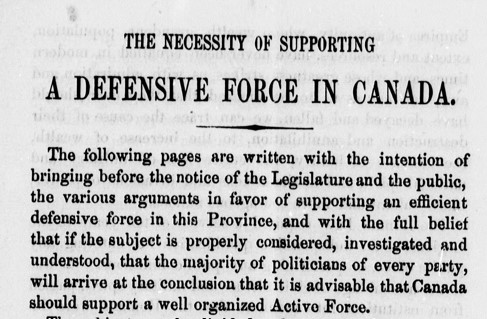
Archival document 1: Report of the Commissioners Appointed to Report a Plan for the Better Organization of the Department of the Adjutant General of Militia, 1862
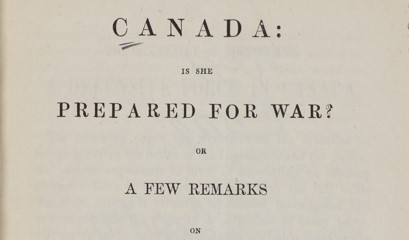
Archival document 2: Canada: Is She Prepared for War? by George Taylor Denison
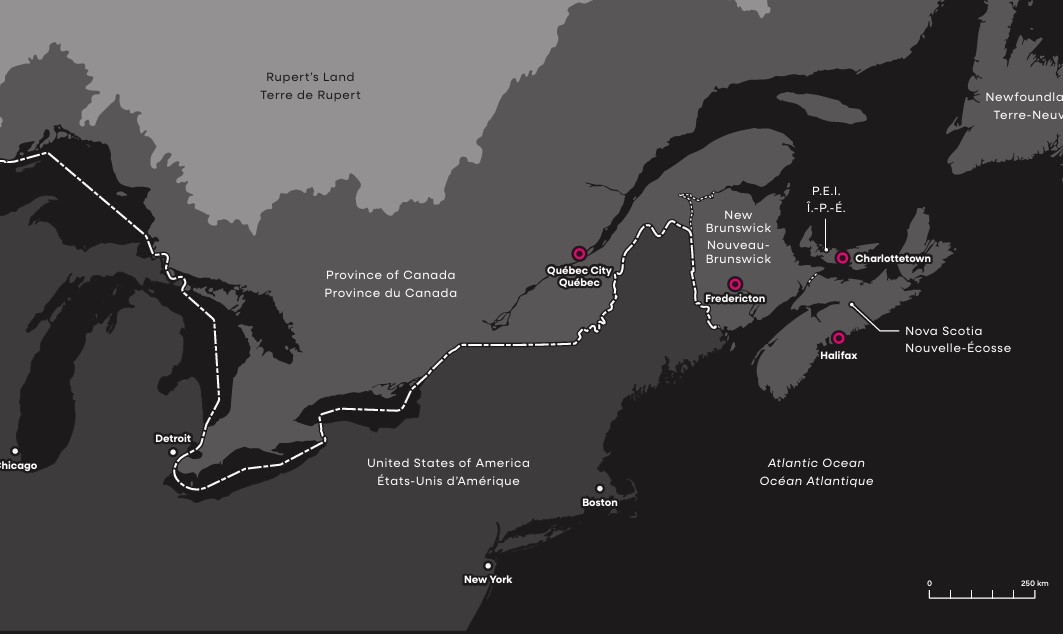
Map: Canada during the American Civil War
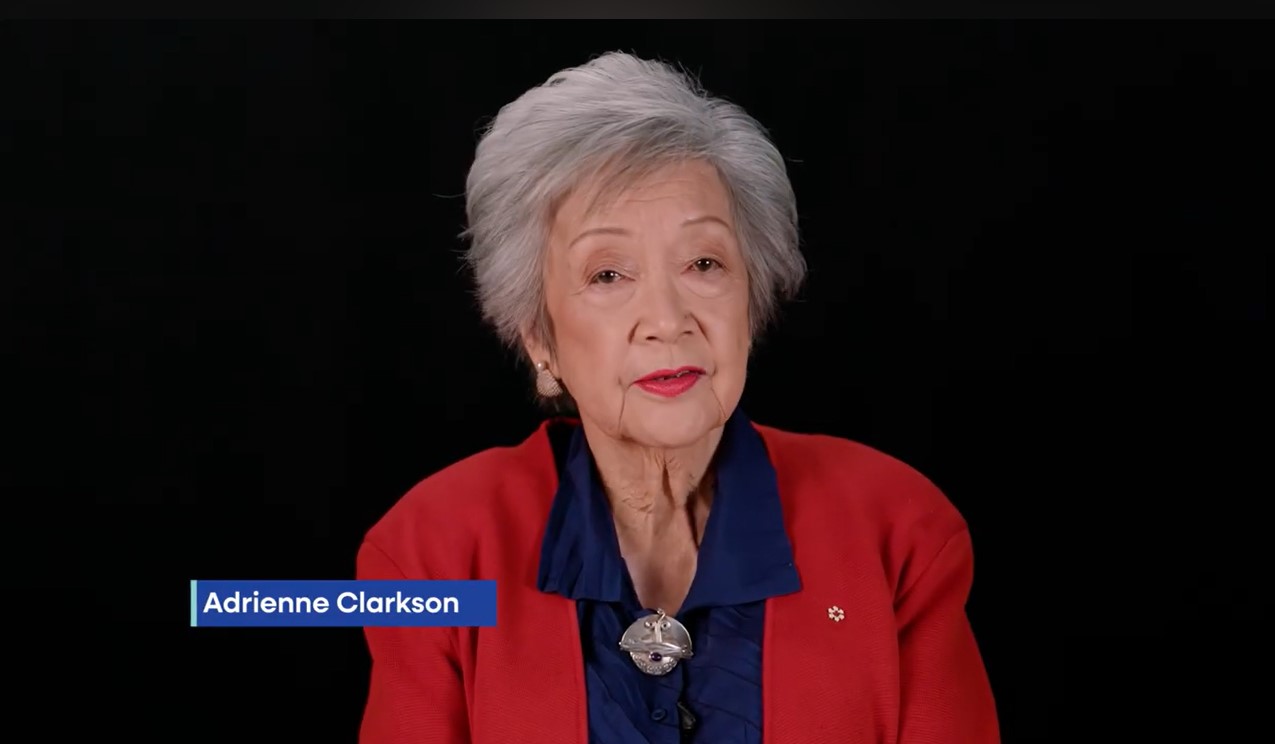
Video clip: Adrienne Clarkson — Reflections on the Civil War era
Activity process
1. Form groups
Divide students into five groups, assigning each group one historical perspective.
2. Examine objects
Before analyzing the sources, prompt students to closely observe and understand each object or document. Ask guiding questions such as:
- What is this object or document?
- Who created it and when?
- What information or story does it provide?
- What do you notice that might not be immediately obvious?
This step ensures that students engage with the materials as evidence, not just as items to look at.
3. Analyze using historical thinking
After exploring the objects, students will use the following Historical Thinking Questions to guide deeper analysis.
- What story does this object or source tell us about the past?
- Why might this person, event or object be historically significant?
- What led to this event, and what happened as a result?
- Whose perspectives are included in this story? Whose might be missing?
- How does this perspective help us understand Canada during or after the American Civil War?
Encourage students to identify patterns, connections or gaps in the materials.
4. Identify additional sources
Each group will be asked to consider one additional source that could strengthen their interpretation. Ask:
- What else would help us understand this perspective more fully?
- How would this source add to the story or fill gaps in the narrative?
Key teacher notes
- Emphasize observation first and analysis second. Students need to interact with the objects themselves before jumping into interpretation.
- Build understanding of “causes and consequences” with simple examples relevant to the era of the American Civil War.
- Encourage discussion within groups to build multiple perspectives before the gallery walk.
Creating the classroom exhibition
Each group will develop a museum-style interpretation presenting their assigned perspective. Students may choose a format that best supports their storytelling and interpretation. Possible formats include
- visual works of art;
- a dramatic monologue or brief theatrical presentation;
- a short film or video;
- a graphic exhibition panel; or
- an audio narration or podcast-style recording.
Students should consider audience engagement, imagining that their exhibit is designed for other students visiting the gallery.
As part of the curatorial process, each group must identify one source they believe is missing from their exhibit and explain how that source would deepen the historical narrative.
Gallery walk
Completed exhibits are displayed around the classroom. Students circulate through the space as if visiting a museum gallery, engaging with the different perspectives and interpretations created by their peers.
Exit reflection: Rebuilding the monument
As a final reflection, students will contribute to a shared “identity monument.”
Students will respond to the prompt: How did the American Civil War help shape Canadian identity, and how do those influences continue today?
Responses will be added to a collective display, creating a living reflection of how historical experiences continue to influence Canada’s evolving identity.
Suggested formats:
1. Bristol board with sticky notes
Students write brief reflections or keywords on sticky notes and place them on a large board. This creates a visible, evolving “identity monument” that everyone can read and respond to.
2. Digital Padlet
Students can scan a QR code to post short responses, images or links on a shared Padlet board. This allows contributions to be digital, collaborative and easily revisited.
3. Collaborative mural or timeline
Students add drawings, phrases or symbols to a large classroom mural or timeline that represents the influence of the American Civil War on Canadian identity. This gives a visual, creative representation of collective learning.
Prepared by: Olivia Fisico
Date: March 2026