Politics and public opinion: Canada in Afghanistan, 2006–2008
Public support for Canada’s mission in Afghanistan was very high when the war began. But as the years passed, opinions started to turn.
One factor that affected attitudes toward the war was its human cost. By spring 2006, Canadians had been seeing reports of casualties trickle in for years. But one death especially captured the country’s attention.
Captain Nichola Goddard
On May 17, 2006, Captain Nichola Goddard and her team were approaching the village of Bayanzi, west of Kandahar City. She was a forward observer calling in artillery strikes on Taliban positions.
Goddard and her second-in-command were standing exposed in the hatch of their Light Armoured Vehicle when fighters fired rocket-propelled grenades at the vehicle. She was killed instantly.
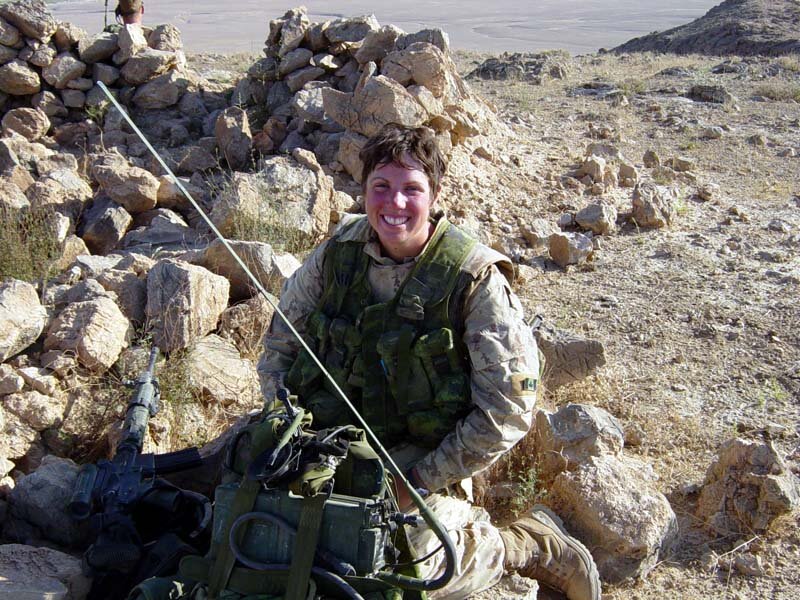
Captain Nichola Goddard
Photo: The Nichola Goddard Foundation, supplied.
Captain Goddard was the seventeenth Canadian to die in Afghanistan. She was the first female member of the Canadian military to be killed in action since the Second World War.
Her death was covered from coast to coast, especially by the English-language . (In French Canada, the 2009 death of Trooper Karine Blais from Les Méchins, Québec was even more widely covered. She was a medic with the 12e Regiment blindé du Canada, killed by a roadside bomb.) Goddard’s death was a major story because of her gender. But it also ironically made the news because of recent restrictions on media coverage of the repatriation of soldiers’ remains.
Three weeks earlier, the government began denying journalists access to the base where repatriated soldiers’ remains arrived. The ban was described as protecting families’ privacy. So, unlike past ceremonies, Goddard’s return home took place out of view of news cameras.
This policy itself became a major news story, especially when her father, Tim Goddard, criticized the new regulations. He said, “I would like to think that Nich died to protect our freedoms, not to restrict them.” Shortly thereafter, Prime Minister Stephen Harper reversed the policy.
The government had also recently decided to not put flags at half-staff to commemorate the dead. These changes gave some the impression that the government was attempting to deflect attention from combat deaths as Canada’s participation in the war was becoming less popular.
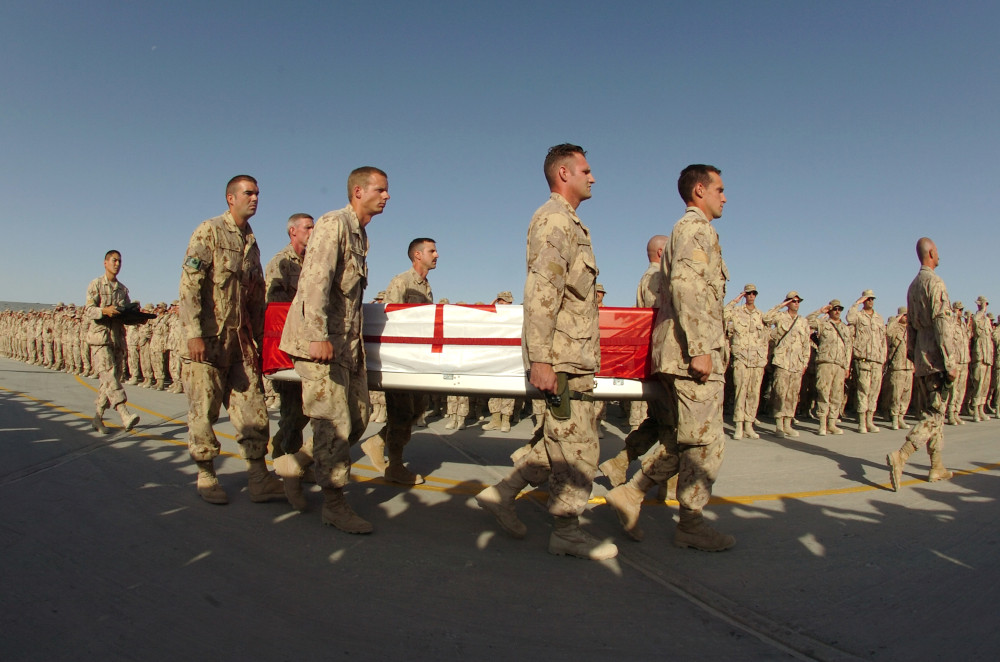
Soldiers escort Captain Goddard’s remains during her ramp ceremony at Kandahar Airfield.
Photo: Sgt Carole Morissette, Task Force Afghanistan Roto 1 Imagery Technician. © All rights reserved. AR2006-H039-0029a reproduced with the permission of DND/CAF (2026).
The highway of heroes
The year 2006 was a deadly one for Canadians in Afghanistan. It saw combat operations such as the battle of the White School and Operation Medusa. There was also a mounting toll from suicide bombings, ambushes, and IED strikes.
The increase in danger and casualties weighed heavily on Canadian troops and their loved ones. Between May and December 2006, 28 soldiers had died. Each was carried by their colleagues to a solemn ramp ceremony aboard a Hercules aircraft bound for home.
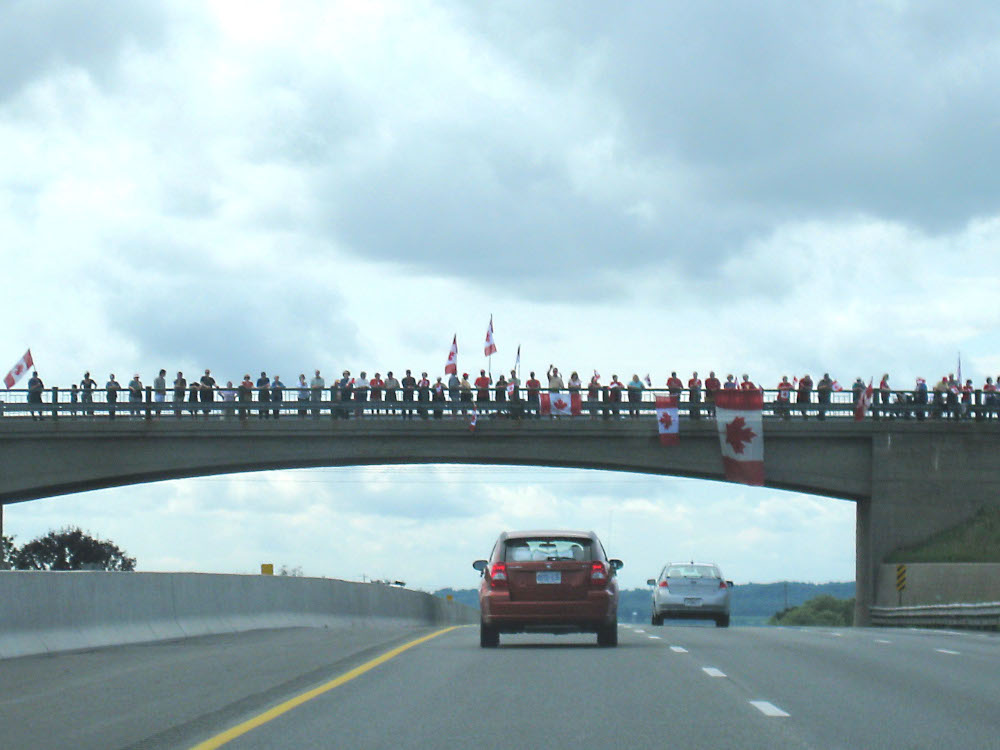
A Highway of Heroes gathering in August 2008.
Photo: Christina Matheson/ Flickr, CC BY-SA 2.0
Once back in Canada, the remains of the fallen and their families travel in a convoy down Highway 401 from Canadian Forces Base Trenton to Toronto. Beginning in 2002, spontaneous crowds of mourners began to gather on highway overpasses to pay their respects.
In 2007, the Ontario government officially named this stretch of Highway 401 the “Highway of Heroes.”
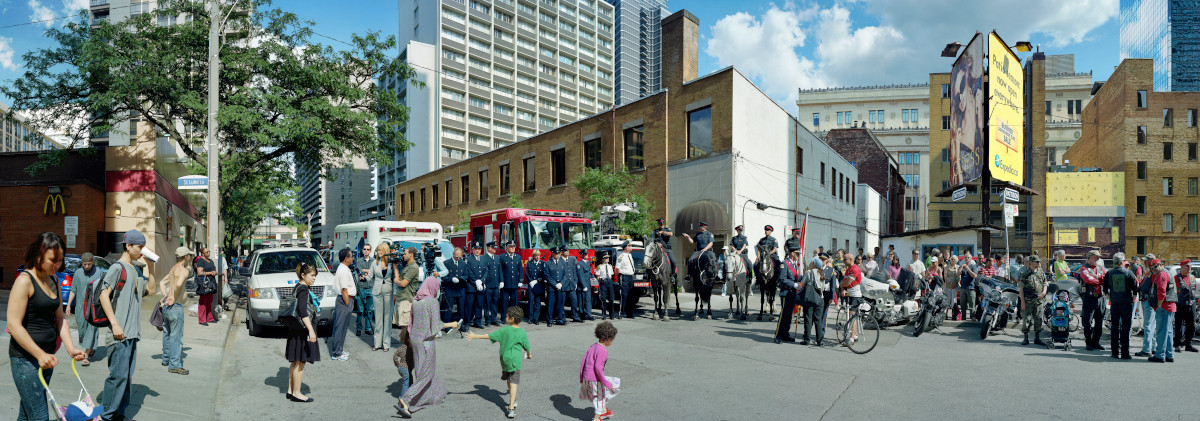
The Corner of the Courageous awaits the repatriation of Master Corporal Kristal Giesebrecht and Private Andrew Miller, June 28, 2010. “Corner of the Courageous” is the name given to the last turn a repatriation procession takes at the Chief Coroners office in Toronto. It is not an actual corner, but one formed by a human chain of first responders, military veterans, and everyday citizens.
Photo: Scott McFarland, Canadian War Museum, 20210541-001
“Support Our Troops”
As the war wore on, people began to display yellow ribbons or wear red on Fridays to show solidarity with those serving abroad. By 2006, yellow ribbons could be seen across the country. People wore them on clothing and displayed them as bumper stickers, fridge magnets, flags, and lawn signs.
Yellow ribbons and the phrase “Support Our Troops” spread far and wide. But the sentiment was not universal. Some Canadians were uneasy about the yellow ribbon campaigns. While sympathetic to the troops, they opposed the war. Others rejected yellow ribbons entirely as a pro-war symbol.
Disputes over yellow ribbons paralleled the country’s increasingly mixed feelings about Canada’s continued involvement in Afghanistan.
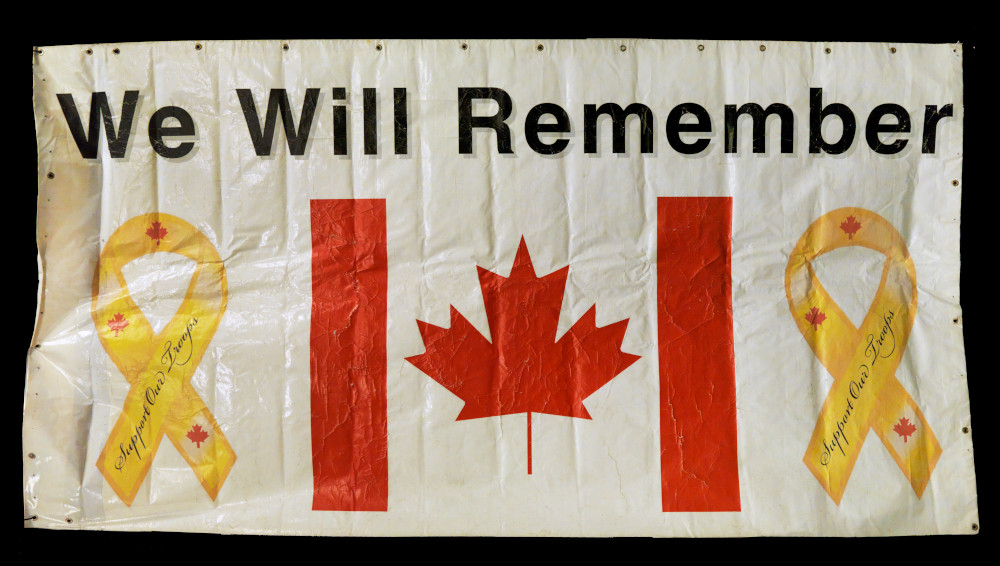
The yellow ribbon became a symbol of patriotic support for the military. The Canadian War Museum acquired this large banner in 2012.
Canadian War Museum, 20120114-001
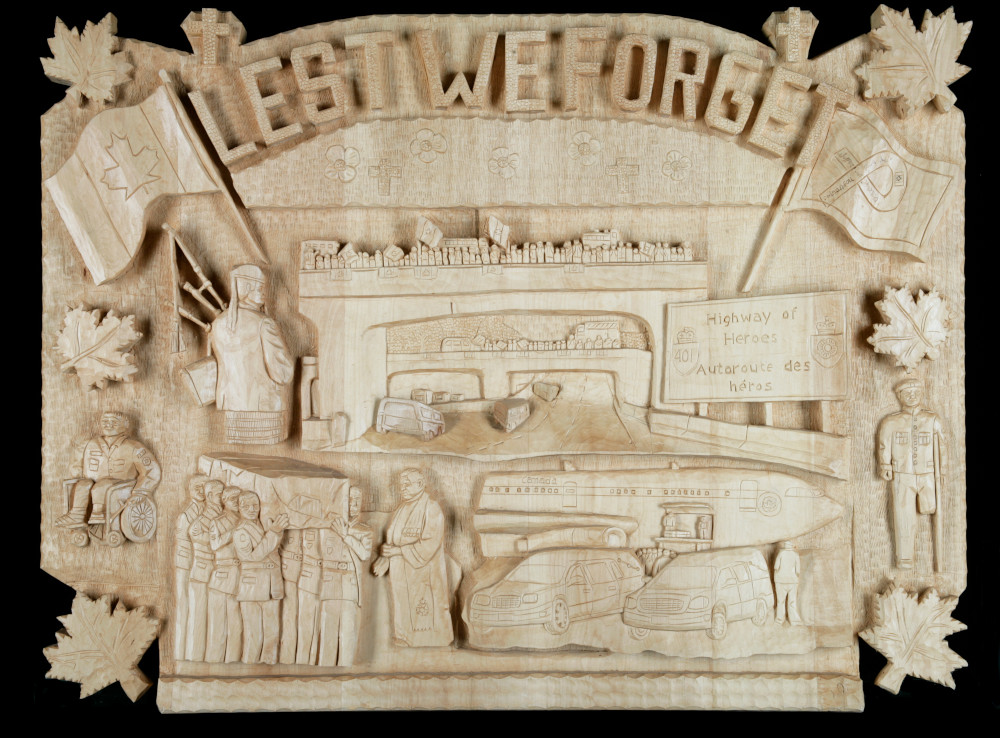
“Highway of Heroes” by Jan Oegema. This sculpture captures many of the ceremonial and public expressions of mourning and support that took place during the war.
Photo: Canadian Museum of History, 20110022-001
Declining support and anti-war activism
In late 2001 and early 2002, Canadians were very supportive of Canada’s participation in the war. Polls found approximately 70 percent in favour of the mission. This was especially meaningful at the time, as fear of terrorism remained high after the 9/11 attacks. Canadians were willing to participate in the so-called War on Terror even if it made them a target.
Support declined unevenly from there. It fell and rose over time but ultimately trended downward. By the end of 2006, polls showed only 35 percent in favour of Canada’s combat role in Afghanistan. More Canadians supported the idea of Canada in a peacekeeping or training role rather than combat, and some pointed to urgent needs in Sudan and other conflict zones.
Active opposition to the war also became more public and widespread. A coalition of anti-war organizations declared a day of action on October 28, 2006. Thousands of Canadians rallied in cities across the country. They returned in February 2007. Some of these rallies had small turnouts, but they were indicative of a growing and vocal anti-war sentiment.
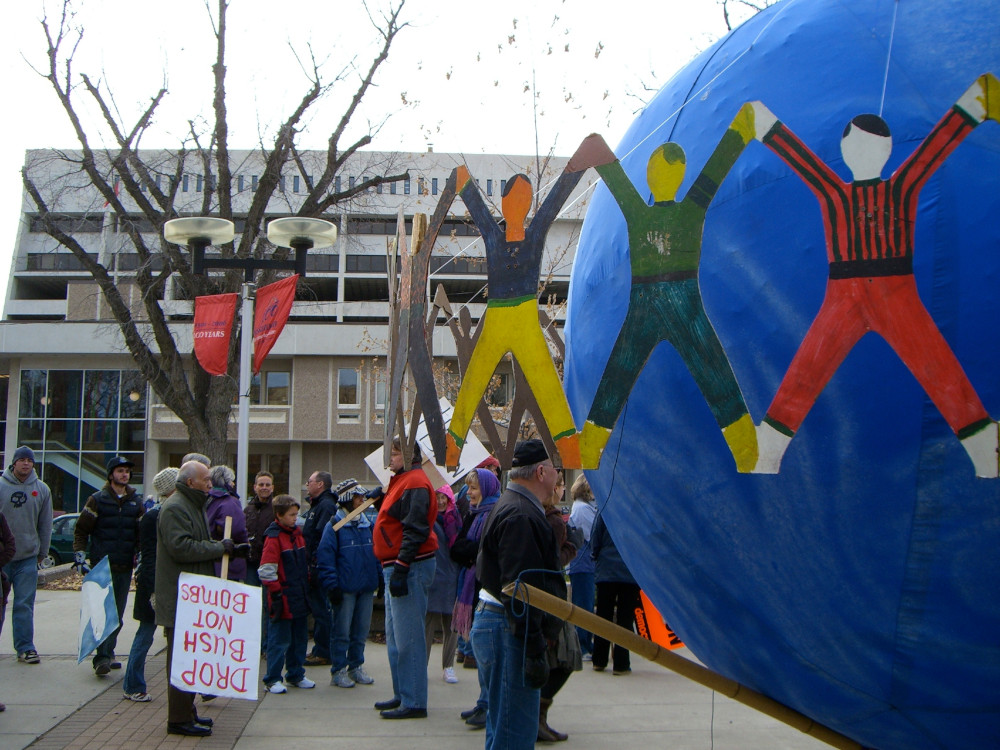
Anti-war protestors prepare to march in Saskatoon, October 28, 2006.
Photo: Sheila Steele / Flickr, CC BY-NC-SA 2.0
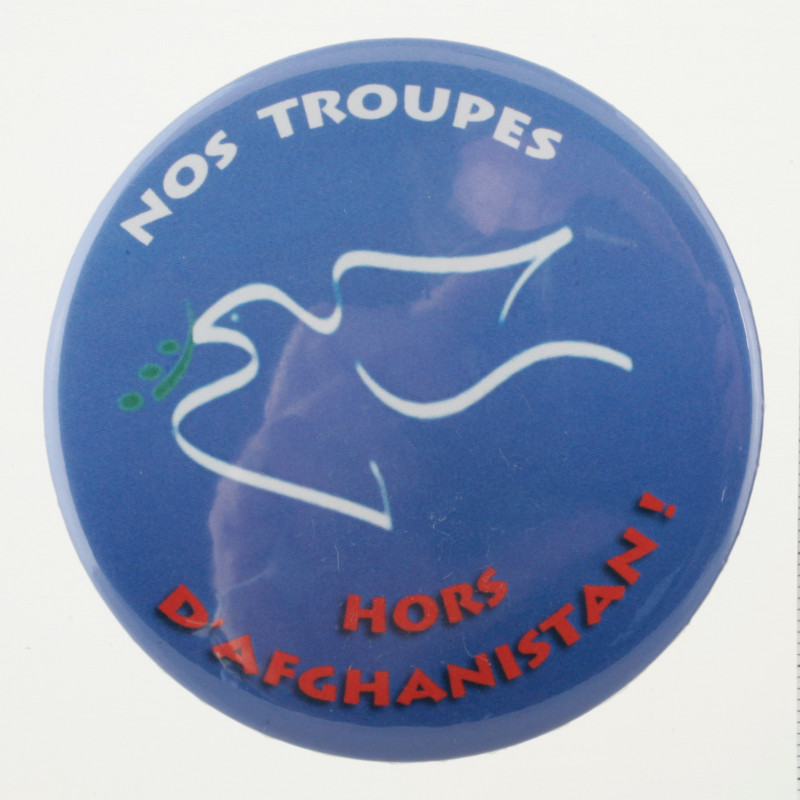
This button was issued for the October 28 Pan-Canadian Day of Action.
Canadian War Museum, 20070027-001
The detainee scandal
In April 2007, a shocking report appeared in the Globe and Mail. Journalist Graeme Smith reported that Canadian forces in Kandahar were handing suspected Taliban prisoners over to Afghan national security authorities. These detainees were then subject to torture and mistreatment.
Defence Minister Gordon O’Connor defended the practice. He claimed that Afghan authorities were not abusing or torturing detainees. And he insisted there were mechanisms in place to ensure their rights were respected.
Further reporting quickly revealed that this was not the case. Canadian officials had reported on the issue of torture in Afghan prisons. They had warned senior leaders about the risk. The government knew prisoners in Afghan custody faced the possibility of torture. Canada had turned them over anyway.
This issue dominated Parliamentary debate and news coverage for months. The practices in Afghanistan’s prisons were at odds with the rights-based, democratic values Canada was purportedly attempting to establish in Afghanistan. For those opposed to the war, the issue only furthered their case. Those on the fence found Canada’s participation in the war as harder to defend. Many saw the detainee scandal as undermining the credibility of the Canadian mission and its goals.
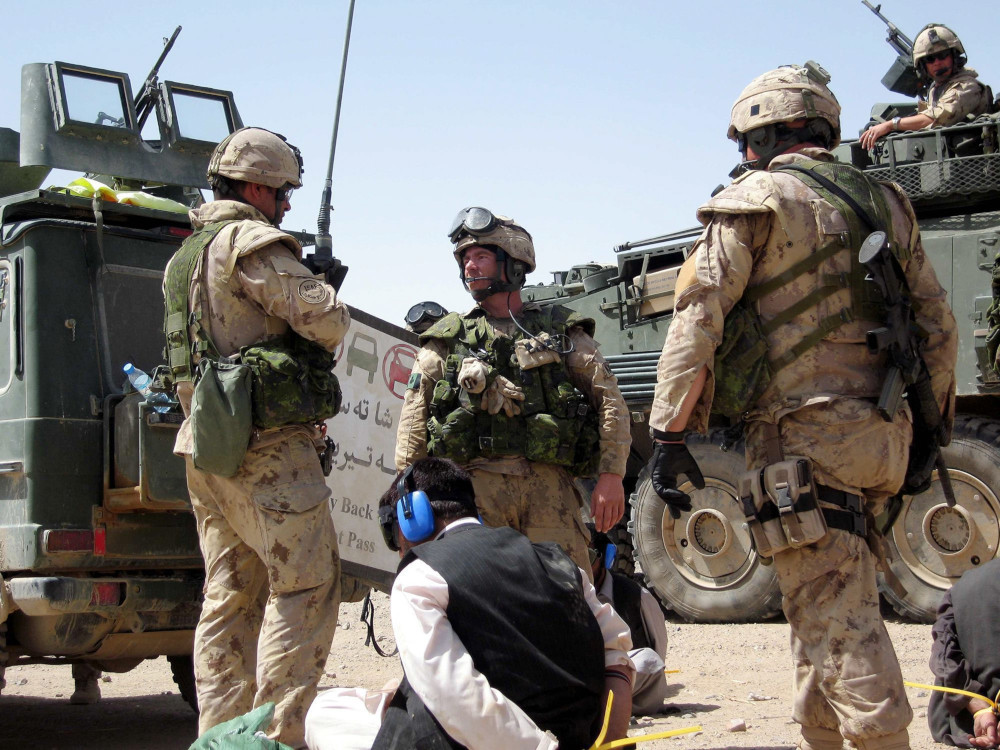
Canadian troops detain suspected Taliban insurgents during combat in Panjwaii, Sept. 5, 2006
Photo: The Canadian Press/Les Perreaux
The Manley Panel
In the summer of 2007, Canada’s continued presence in Afghanistan was in doubt. The Conservative minority government wanted to extend the commitment beyond its February 2009 end date. The NDP wanted Canada to withdraw its forces immediately. And the Liberals and Bloc Québécois demanded a firm end date for the mission. (It had been repeatedly extended under both Liberal and Conservative-led governments.)
In October 2007, Prime Minister Harper announced the Independent Panel on Canada’s Future Role in Afghanistan. It was nicknamed the “Manley Panel” after the man in charge of it. John Manley is a former Liberal Foreign Minister and Deputy Prime Minister. He was appointed to inquire into Canada’s activities in Afghanistan and to make recommendations about its role.
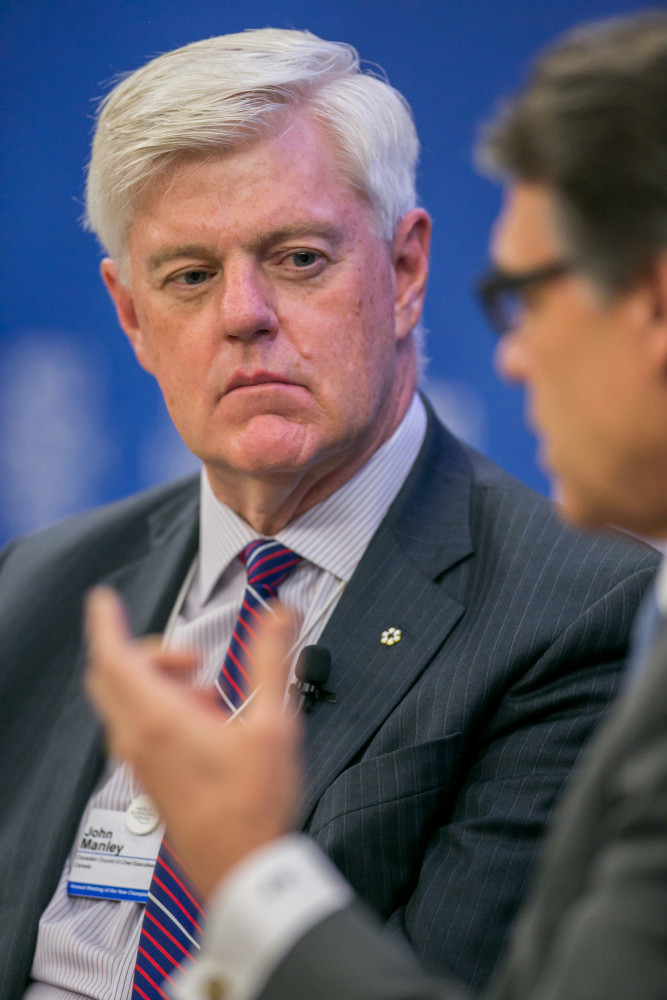
John Manley at the World Economic Forum in 2014.
Photo: World Economic Forum / Flickr, CC BY-NC-SA 2.0
The Panel embarked on four months of intense research. They conducted more than 200 interviews in Ottawa, Washington, Brussels and Afghanistan. It released its report in early 2008.
Manley’s team found that the military and civilian federal effort was poorly coordinated. They noted that Canada was shouldering a disproportionate share of combat duties and risks within the NATO coalition. And it discovered that Canada lacked key equipment necessary to succeed and reduce risks.
It also determined that the mission had not made clear progress on social and economic affairs that mattered to everyday Afghans. Manley said, “There was no visibility of what we were doing other than fighting. The soldiers were very visible. You know, the LAVs rolling into Kandahar were quite a spectacular sight. But what were we doing there to make their lives better? Not evident.”
The Panel ultimately recommended that Canada remain in Afghanistan, but only if changes were made to address these problems. The Americans agreed to commit additional troops in Kandahar. Canada, meanwhile, acquired heavy-lift helicopters and drones for deployment with an air task force in Kandahar. These would provide better surveillance and transport over a region laden with IEDs.
And so, despite growing reservations at home, Canadian troops would remain in Kandahar until 2011.
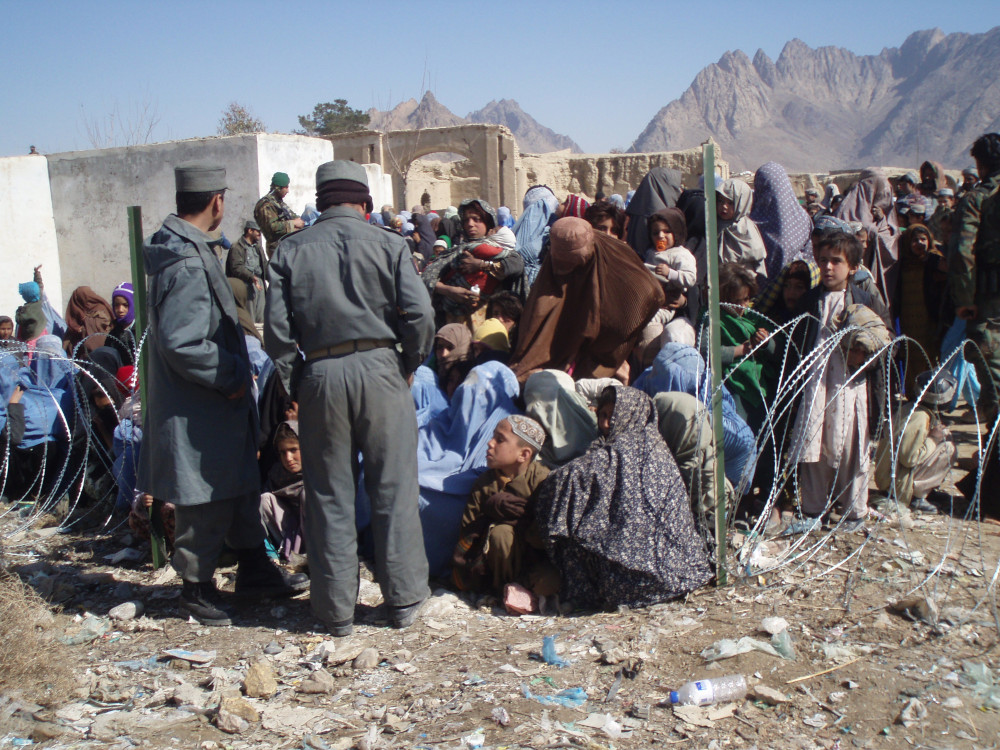
Several hundred Afghans attend a Canadian-sponsored medical clinic at a school in Bazaar-e Panjwayi, February 2008. The development and humanitarian aspects of Canada’s mission were unclear to both Afghans and Canadians.
Photo: Corporal David Strachan, Canadian War Museum, 20090037-009-P2080795
In 2010, the Nova Scotian rock band The Trews released the song “Highway of Heroes.” It was inspired by the death of Nichola Goddard, who had been a schoolmate of some members of the band.
Listen to episode five of our podcast The Long War: Canada in Afghanistan to hear more about about politics and public opinion as Canada’s mission in Afghanistan wore on.
Subscribe to The Long War wherever you get your podcasts.

Steve McCullough
Dr. Steve McCullough is the Digital Content Strategist at the Canadian Museum of History and the Canadian War Museum. His work in digital storytelling involves compassionate and evidence-based efforts to address history, meaning and identity in our fragmented and polarizing, but also vibrant and interconnected, online environment.

Andrew Burtch
Dr. Andrew Burtch has been the Historian, Post-1945 at the Canadian War Museum since 2006. He is the curator of Gallery 4: From the Cold War to the Present, which examines Canada’s response to conflicts from the beginning of the Cold War to the present day. His main areas of research include Cold War history, nuclear civil defence, United Nations peacekeeping missions, the Korean War, war and memory, and oral history.
Read full bio of Andrew Burtch